If you want reliable door opening service in Barcelona at any hour, you should know how experienced locksmiths operate and what choices you have. I wrote this to share practical details from years working with property managers and homeowners in the city and to cut through the vague claims many services use. Read on if you want to know when to call an emergency locksmith, how non destructive entry works, and how to reduce costs without compromising security.
What "24/7" actually means for locksmith services in Barcelona
Not every company that advertises 24/7 can reach you in ten minutes. A few reputable firms run their own night shifts and regularly hit 15 to 30 minute response times inside the city, and many legitimate businesses average 30 to 60 minutes depending on traffic and time of day. If you need minimal delay, ask whether the van is based nearby or whether the company uses a network that dispatches the closest contractor.
Why a skilled locksmith tries non destructive methods first
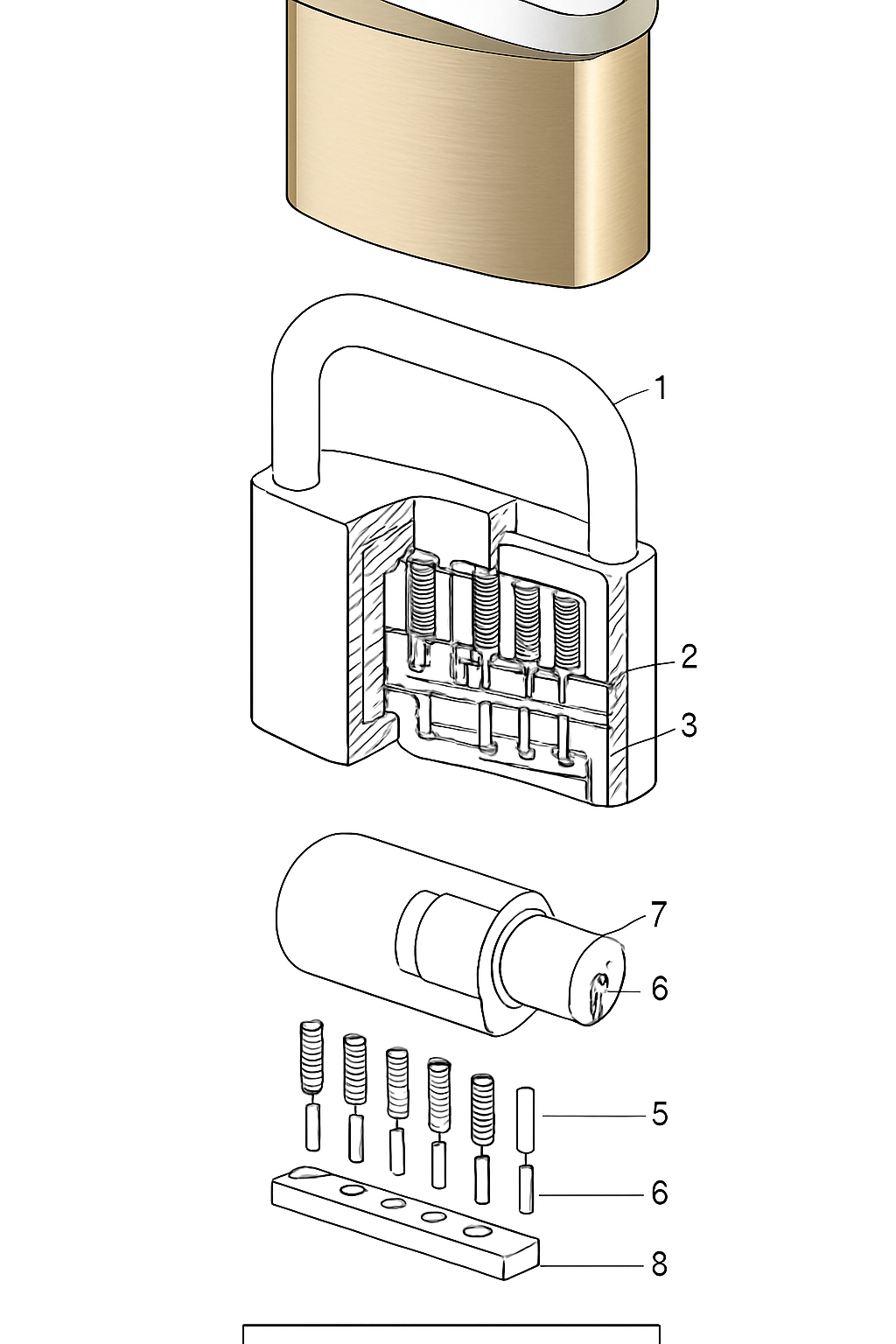
A good locksmith will attempt non destructive entry before breaking hardware. Picking a euro cylinder, manipulating a latch, or using specialist tension tools avoids costly replacements and keeps security intact in most residential lockouts. You should expect a technician to explain their plan and only move to destructive options if necessary and with your consent.
What you will likely pay for lock opening and replacement in Barcelona
Standard daytime non destructive entries often fall into a modest price band, while night and weekend calls cost more. If a replacement cylinder is required, budget another roughly 30 to 120 euros for standard euro cylinders, while higher-security cylinders or multipoint mechanisms cost more. Cheap offers are tempting but inspect what they include and whether a low headline price excludes call-out fees, VAT, or travel surcharges.

How to verify a locksmith and reduce risk
Trustworthy locksmiths provide clear ID, an itemized estimate, and agreed terms before starting work. A brief vetting script will save you trouble: confirm the company name, the technician's ID, whether they have liability insurance, and the estimated call-out and hourly rates. Taking a quick photo of documents and the final receipt is simple protection if evidence is ever needed for a landlord, insurer, or chargeback.
What the technician will actually do when they arrive
Expect a checklist approach when the locksmith arrives: identify the lock type, assess damage risk, then select the least invasive method. For euro profile cylinders the technician may use picks and tension tools, while for multipoint doors the focus is on manipulating the latch or disengaging the multipoint mechanism without cutting the door frame. If drilling is necessary, a professional will explain why, show the damaged part, and offer replacement choices that meet your budget and security needs.
When you should insist on a lock change after entry
You should replace a lock if the cylinder shows visible manipulation or if keys are missing after a suspicious incident. If the lock picks poorly, the mechanism is old and brittle, or previous owners used inferior cylinders, replacement usually improves security and long term cost-effectiveness. Options range from simple euro cylinders to anti-snap cylinders that cost moderately more, and fully certified high-security cylinders that cost significantly more but offer better warranties and resistance to common attack methods.
Navigating lock opening when property access is shared
Building and tenancy rules affect who can authorize entry and who pays for changes in many Barcelona buildings. If you rent, the lease usually specifies whether you pay for locksmiths after losing keys, and large buildings may have concierge or porter services that must be contacted first. If you must act immediately for safety, take photos and follow up with a written notice to the landlord or property manager detailing the incident and any repairs done.
Safety, insurance, and liability considerations for locksmith work
Your home insurance may cover lock replacement after a break-in, but routine lost-key call-outs are often excluded or limit reimbursement. For stolen keys or suspicious activity, most insurers ask for a police report and proof of forced entry before approving claims for locks and key replacement. Ask the locksmith about their insurance and whether they will provide a detailed invoice that lists parts, labor, and the exact work performed in case you need to claim costs from an insurer.
What to try safely while waiting for a technician
Before calling a locksmith, try simple checks that do not risk damaging the lock or door. If a key snapped inside the cylinder, do not try to extract it with improvised tools; instead, photograph the broken key and call a professional to avoid worsening the damage. If children or pets are involved and time is critical, call a locksmith immediately and mention those details so the dispatcher prioritizes the job.
Practical advice for selecting cylinders and multipoint components
Match the replacement part to the existing hardware and get a technician to confirm compatibility before you buy. A cheap euro cylinder may fit physically but offer almost no protection against snap or drill attacks, whereas certified anti-snap fittings cost more and significantly reduce a common point of failure in urban areas. Discuss the warranty and service terms with the locksmith, because reputable parts often come with better guarantees and post-installation support.
Trade-offs between lowest price and reliable workmanship
A low price can be a fair deal or a red flag, depending on transparency and proof of quality. If a quote is suspiciously low but the technician demands payment up front without paperwork, prioritize documented companies even if they cost more. A pragmatic approach is to balance price with evidence: certifications, local recommendations, and a clear paper trail of the work performed.
Quick checklist to minimize cost and risk in emergencies
Keep a short plan ready so you and anyone else in your household act quickly and sensibly during a lockout. Record one trusted locksmith phone number and the company registration, store a few printed spare-key details in a safe place, and photograph any damaged locks for records. When you call, provide clear details: exact address, floor and entry conditions, whether children or elderly are involved, and locksmith 24 hours any visible damage to the door or lock.
Preparedness, clear communication, and a pragmatic approach to replacements will get you back inside safely while avoiding unnecessary costs. When selecting services, prefer technicians who explain options, provide itemized pricing, and carry insurance, and treat drilling as a last resort. If you want, use the checklist above now to prepare contacts and spare-key arrangements so you are not deciding under pressure later.